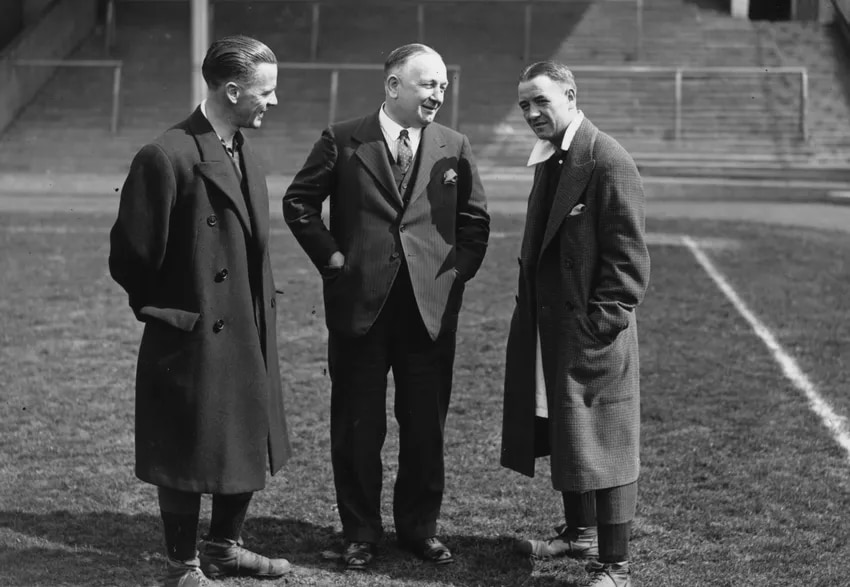
If the former Fulham and Arsenal chairman Sir Henry Norris had been allowed his way in 1910, London derbies between us and the Cottagers wouldn’t be possible.
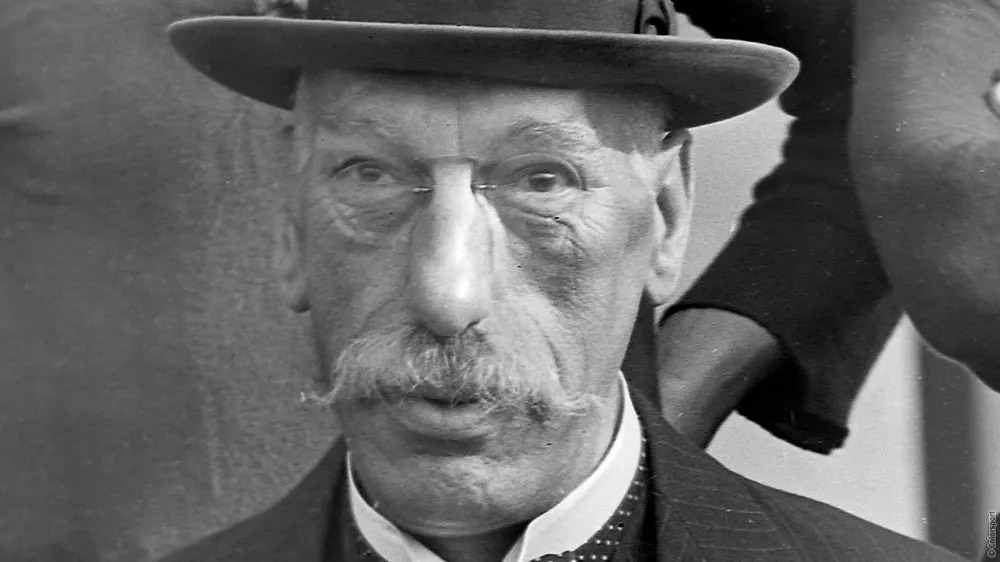
In the early years of the 20th century, the self-made Norris was a wealthy and influential figure. Born in 1865, he’d accumulated a fortune through the property market, and his company, Allen & Norris, was responsible for transforming Fulham into a bustling, upwardly mobile district of London.
In the process of constructing, renovating and selling hundreds of houses, he’d built a formidable network of contacts in the construction and banking professions. Norris, who was also the Mayor of Fulham, was a keen football fan and anxious to make his mark on a sport still very much in its infancy.
In 1903, he bought out Fulham FC, becoming director and chairman, and under his watchful gaze they made rapid strides, winning the Southern League in 1906 and winning election to the Football League’s Second Division a year later.
But Norris had already been involved in a decision which would have far-reaching consequences for football in the capital. Having acquired the Stamford Bridge Athletics Ground, the Mears brothers – Gus and Joe – planned to turn it into the finest stadium in the country. Mears invited Fulham to play their home matches there, but Norris baulked at the proposed annual rent of £1,500 a year – around £250,000 in modern money - and opted to stay at Craven Cottage, their home since 1896. Instead, Gus Mears founded Chelsea FC, who moved in during 1905.
Always keen to spread his influence, Norris cast his eyes towards south-east London and, alongside fellow Fulham director William Hall, acquired shares in the ailing Woolwich Arsenal, who’d just avoided relegation from the top-flight during the 1909/10 campaign.
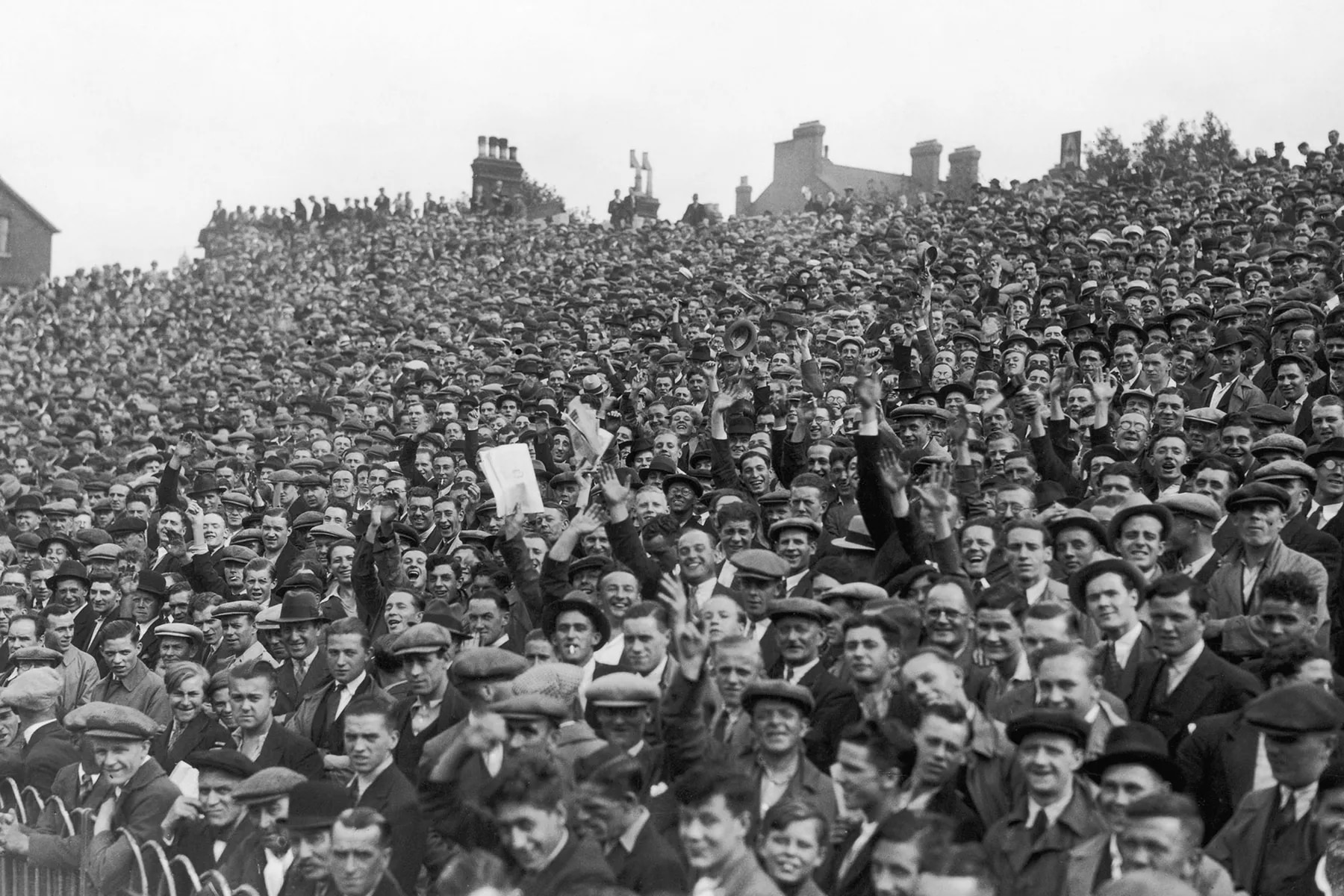
Labouring in front of average crowds of 11,000 in Plumstead, Woolwich Arsenal were in serious financial peril. Norris wanted to own the club outright and offered to pay off their debts, but in return insisted that second-tier Fulham should merge with the top-flight outfit, and the newly-created Fulham Arsenal played its home matches at Craven Cottage. Norris’ plan was blocked by the Football League, who decreed that only they should have final say over which clubs should play in the First Division.
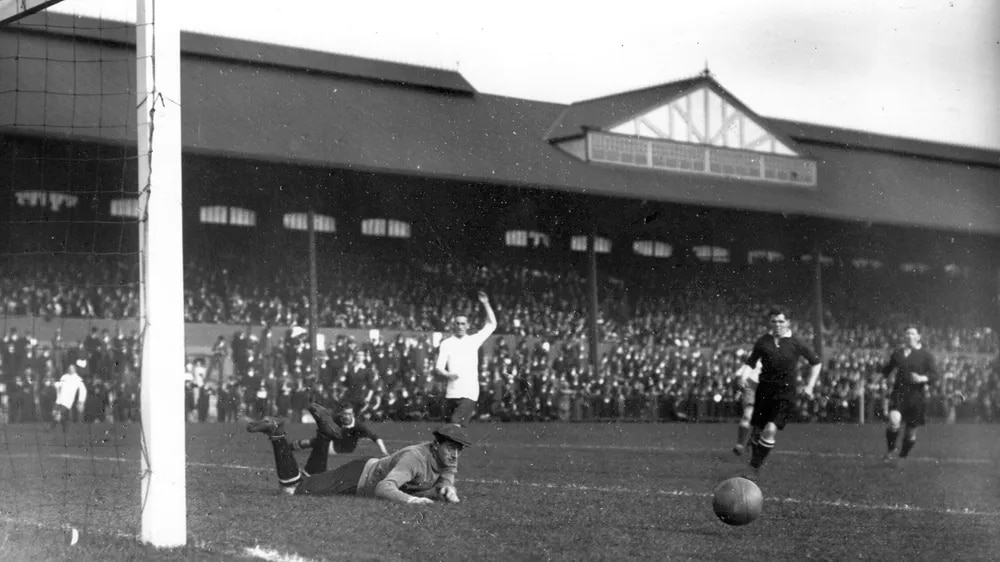
Nevertheless, Norris backed Woolwich Arsenal for three topsy-turvy years before relocating the club north of the Thames to Highbury in 1913, much to the consternation of the neighbouring Tottenham Hotspur and Clapton Orient. Knighted in 1918, Norris was the man responsible for shortening our name to just Arsenal and appointing Herbert Chapman as manager in 1925, but he never experienced the subsequent success after receiving a lifetime ban from football in 1927 after being found guilty of making illegal payments to players.
Despite this, Norris' links to Fulham remained as strong as ever. In the December 1918 General Election, he became the Conservative member for Fulham East. Although he had to relinquish his position as Mayor of Fulham after winning the parliamentary seat, Norris, whose decisions changed the complexion of football in the capital in the early 1900s, still retained shares in the Cottagers until his death in 1934.
Meanwhile Fulham, after several years of playing in the second and third tiers, finally made it to the top-flight in 1949, allowing us to enjoy visiting Craven Cottage throughout the 1950s, 1960s and the Premier League era, rather than playing there as the home team had Norris’ vision come to fruition.