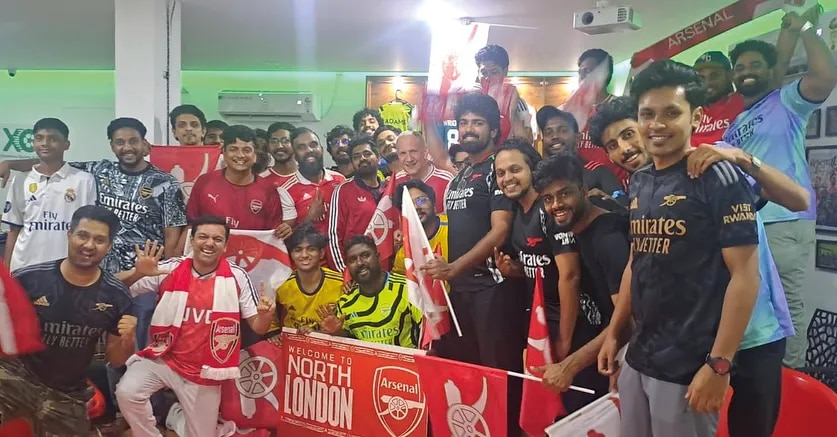
Looking at the impact of climate change on the home pitches of our players and legends – or in this case, the environmental challenges around the region of Kerala in India, home to one of our most active official supporters clubs, Arsenal Kerala.
The Arsenal Kerala Supporters Club (AKSC) was founded in 2011 in the state of Kerala, India. Created to unite a growing community of supporters, it has established itself as a hub for Arsenal fans in the region and one of the largest official Arsenal supporter groups in Asia. The group was officially recognised by Arsenal in 2016 and has raised the profile of the club in Kerala by organising match screenings, football tournaments and welfare activities.
While operating from its base in the city of Thrissur today, the AKSC has an active presence in all 14 districts of Kerala, hosting events in cities such as Kochi and Thiruvananthapuram.
A large proportion of India’s population depends on climate-sensitive sectors such as agriculture and forestry, meaning changes in rainfall, glacier retreat and increased flooding threaten water availability, food security and rural livelihoods.
India has an incredibly diverse climate, meaning climate change will likely intensify regional contrasts. Arid regions such as Rajasthan may face increased drought while high-rainfall areas such as the north east could experience heavier and more unpredictable rainfall.
India is considered to be one of the more vulnerable countries to the impacts of climate change (59th of 187). It is also ranked 102nd out of 187 for its readiness to deal with climate impacts.
Founded in 2011, AKSC’s first decade coincided with the warmest decade ever recorded in India (2011-2020). Over the lifetime of AKSC, sea levels along India’s coastline have been rising at around 3.3mm per year – equivalent to roughly 5cm since 2011 – raising erosion and flood risks in coastal states like Kerala.
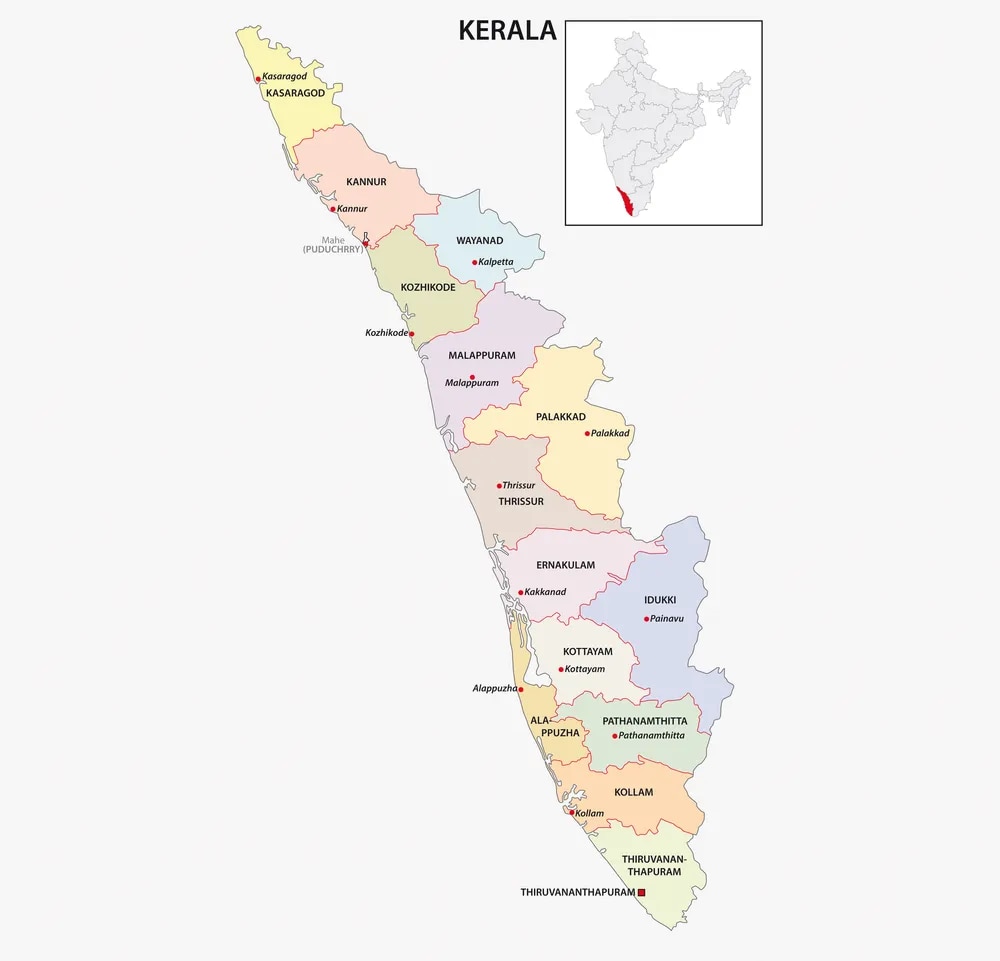
Extreme heat
•Temperatures are projected to rise; the maximum annual temperature is expected to be three per cent higher in 2040. By 2040, heat is projected to exceed safe play limits on 90 days of the year and reach disruptive levels on 315 days of the year. By 2100, heat is projected to exceed safe play limits on 330 days of the year – meaning football will be unplayable almost all year round without significant adaptation measures.
Extreme weather events
•More extreme and unpredictable weather events are expected, which will be even more disruptive to football. By 2040, the level of rainfall experienced during a ten-year extreme event is predicted to rise by 10 per cent; levels associated with a 100-year event are predicted to rise by 14 per cent.
Drought
•Water stress is already high in Kerala and this is projected to continue into 2040 and 2100, likely disrupting football matches in the area due to pitch damage and reduced irrigation.
Pitches in peril
Grassroots pitches around the world are facing escalating climate hazards - including where the Arsenal Kerala Supporters Club is based. Extreme weather is changing the game, which puts the future of football at risk. By understanding the risks, we can prepare together and make sure everyone can keep enjoying football here and in our community for generations to come.