Looking at the impact of climate change on the home pitches of our players and legends. Here we examine the environmental challenges around the home region of our super-talented former Nigerian striker, Kanu…
Kanu began his football journey in the city of Owerri, playing for his local side Federation Works FC and Iwuanyanwu Nationale before heading to Europe and Ajax in Amsterdam, where he won the UEFA Champions League in 1995. After a spell at Inter Milan, during which he was crowned African Footballer of the Year, he headed to north London, where he played a key role in the 2001/02 double and was a member of our 2003/04 Invincibles.
Earning 87 caps for Nigeria and scoring 13 goals, Kanu captained his country, and was part of the team that won Olympic gold in 1996 and represented Nigeria at multiple World Cups and AFCONs.
Climate change is placing increasing pressure on Nigeria’s ecosystems, water resources and communities, requiring urgent adaptation. Low-lying and coastal areas are especially vulnerable to flooding and poor drainage, risks that are expected to worsen.
Nigeria’s average temperature has risen by 1.2°C in the past few decades and is projected to increase by 2.9-5.7°C by the end of the century. It is considered to be one of the more vulnerable countries to the impacts of climate change (61st of 187) and one of the least ready to adapt to more extreme weather (178th of 187).
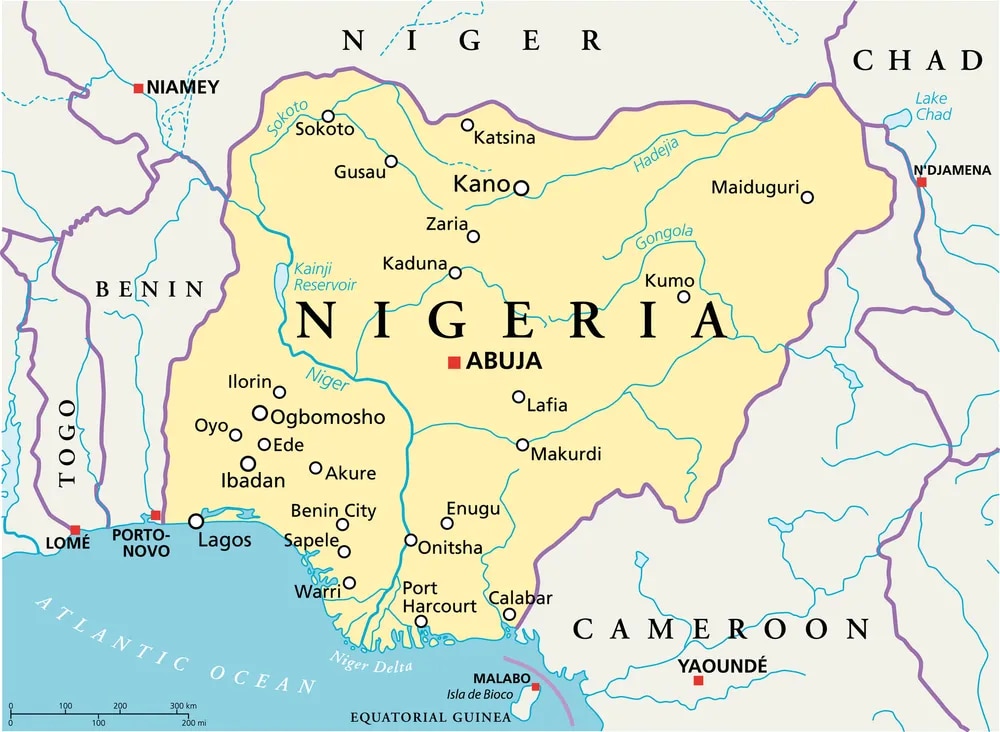
Since Kanu was born in 1976, Lake Chad has shrunk by around 90 per cent, dramatically reducing water availability across the region. By the time Kanu is 74 years old, internal climate migration in Nigeria could reach a high of 9.4 million people, driven largely by water stress and sea level rise. Nigeria loses an estimated 350,000 hectares of land to desert encroachment each year; that’s almost half a million Emirates Stadium pitches. Since Kanu was playing for Federation Works in 1990, Nigeria has lost around 48 per cent of its forest cover.
Extreme heat
•Temperatures are projected to rise; the maximum annual temperature is expected to be three per cent higher in 2040. Heat is projected to exceed safe play limits on 324 days of the year by 2100 – meaning football will be unplayable almost all year round without significant adaptation measures. By 2040, heat is projected to exceed safe play limits on 94 days of the year and reach disruptive levels on 314 days of the year.
Extreme weather events
•More extreme and unpredictable weather events are expected, which will be even more disruptive to football. By 2040, the level of rainfall experienced during a ten-year extreme event is predicted to rise by 11 per cent; levels associated with a 100-year event are predicted to rise by 14 per cent.
Pitches in peril
Grassroots pitches around the world are facing escalating climate hazards – including where Kanu learned to play the game. Extreme weather is changing the game, which puts the future of football at risk. By understanding the risks, we can prepare together and make sure everyone can keep enjoying football here and in our community for generations to come.